
Hernia Surgery: Types, Symptoms, Causes, and Best Treatment Options
What is a Hernia ?
A hernia develops when part of the intestine or fatty tissue pushes through a weakened area of the abdominal wall. This causes a visible bulge in the abdomen or groin, which may become more noticeable when coughing, lifting heavy objects, straining, or standing. The bulge may reduce when lying down. Hernias can cause discomfort or pain, though some are painless at first. They do not heal on their own and usually increase in size over time. If left untreated, hernias can lead to serious complications, such as intestinal blockage or strangulation, which require medical attention
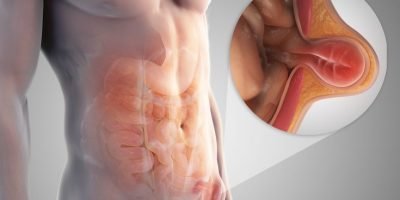
Types of Hernia: Causes, Symptoms, and What You Should Know
A hernia occurs when an internal organ or tissue pushes through a weak spot in the surrounding muscle. Many people live with a hernia without realizing it, but early awareness can help prevent discomfort and complications. Understanding the different types of hernia is the first step toward timely treatment.
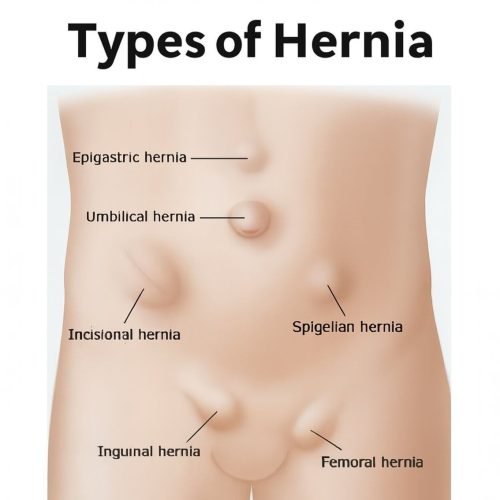
Inguinal Hernia (Most Common Type) : An inguinal hernia develops in the groin area and is the most common form of hernia. It occurs more frequently in men, especially those who lift heavy objects or strain during physical activity. A visible bulge in the groin and mild pain are common signs.
Umbilical Hernia (Around the Belly Button) : Umbilical hernias appear near the belly button and are often seen in infants. However, adults can also develop them due to obesity, pregnancy, or increased abdominal pressure. In many cases, the bulge becomes more noticeable when coughing or bending.
Incisional Hernia (After Surgery) : An incisional hernia forms at the site of a previous surgical incision. This happens when the abdominal wall weakens during healing. People who have undergone abdominal surgery should watch for swelling or discomfort near the scar.
Femoral Hernia (Upper Thigh Area) : Femoral hernias occur near the upper thigh, just below the groin, and are more common in women. Although less frequent, they can cause serious complications if left untreated, making early diagnosis important.
Hiatal Hernia (Stomach Moves Upward) : A hiatal hernia happens when part of the stomach pushes into the chest cavity through the diaphragm. This type is often associated with acid reflux, heartburn, and chest discomfort, especially after eating.
Causes of Hernia
A hernia occurs when an internal organ or tissue pushes through a weak area of muscle, and this weakness can develop for several reasons. Common causes of hernia include weak abdominal muscles from birth or aging, heavy lifting without proper technique, chronic coughing or sneezing that increases pressure inside the abdomen, and straining during bowel movements due to constipation. Excess body weight and pregnancy can also stretch and weaken abdominal muscles, raising the risk of hernia. In addition, previous surgeries may leave weak spots in the abdominal wall, leading to incisional hernias, while poor nutrition and lack of muscle strength can further contribute to the condition. Understanding these causes of hernia can help with early prevention and timely medical care.
Symptoms of Hernia: Early Signs You Should Not Ignore
A hernia often starts quietly and may not cause pain at first, which is why many people ignore it. The most common symptom of hernia is a visible bulge that becomes more noticeable when standing, coughing, or lifting heavy objects. Some people feel discomfort, pressure, or mild pain, especially after physical activity. In certain cases, hernias can also cause digestive issues or a burning sensation, depending on the type.
Common hernia symptoms include:
- A visible lump or swelling in the abdomen, groin, or belly button
- A heavy or dragging feeling in the affected area
- Acid reflux, chest pain, or difficulty swallowing (hiatal hernia )
- Burning or aching sensation
Hernia Surgery Treatment Options: What Are Your Choices?
Hernia does not heal on its own, and surgery is the most effective treatment in most cases. The type of hernia surgery recommended depends on the size, location, symptoms, and overall health of the patient. Modern surgical techniques are safe, effective, and designed to minimize recovery time.
Common hernia surgery treatment options include:
Open Hernia Surgery: A traditional method where the surgeon repairs the hernia through a single incision. Often used for larger or complicated hernias.
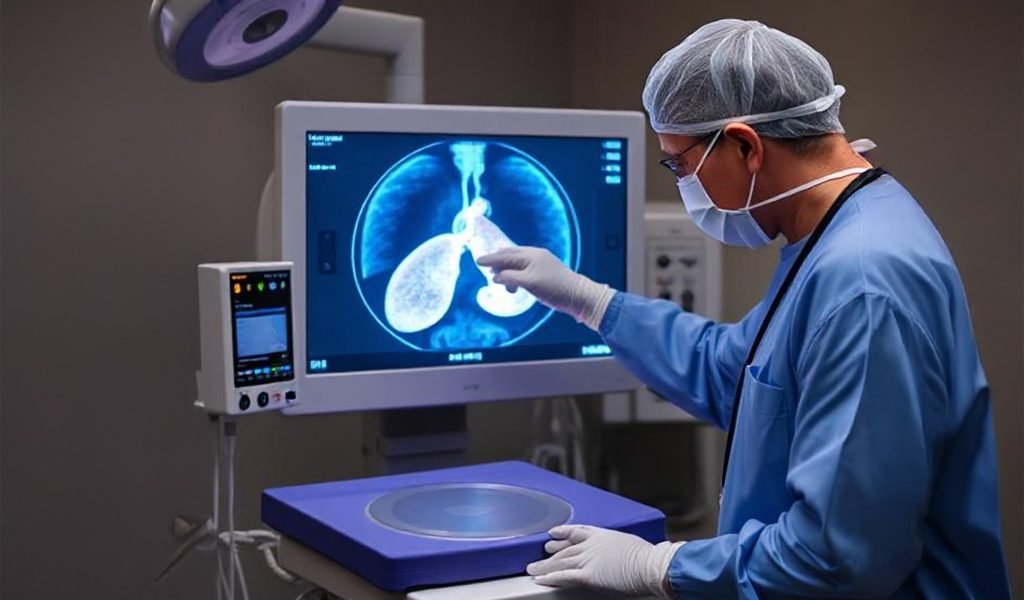
Laparoscopic Hernia Surgery: A minimally invasive procedure using small incisions and a camera, resulting in less pain and faster recovery.
Robotic Hernia Surgery: An advanced option offering greater precision, reduced scarring, and quicker healing in selected cases.
Recovery After Hernia Surgery:
What to Expect ?
Recovery after hernia surgery varies depending on the surgical method and individual health, but most patients return to normal activities within a few weeks. Mild pain, swelling, or stiffness is common in the first few days and usually improves with rest and medication. Following your doctor’s advice is essential for proper healing and to prevent recurrence.
Tips for smooth recovery after hernia surgery:
- Avoid heavy lifting for at least 4–6 weeks
- Walk regularly to improve blood circulation
- Follow prescribed medications and wound care instructions
- Eat a high-fiber diet to prevent constipation
- Attend follow-up appointments as advised
When Should You See a Doctor?
If you notice persistent pain, a growing bulge, or symptoms like nausea and vomiting, seek medical attention immediately. Early diagnosis and proper hernia treatment can prevent serious complications and lead to a faster recovery.
Dr. N. Anand Vijay is a specialist surgeon at GEM Hospital, Coimbatore, with experience in hernia repair, laparoscopic surgery, and gastrointestinal procedures, offering evidence-based care for both simple and complex hernias. He has successfully performed 1 lakh+ hernia surgeries, treating a wide range of hernia conditions from small to large and complex cases. His expertise in advanced laparoscopic hernia surgery ensures minimal discomfort, shorter hospital stay, and quick recovery for patients.